Chittoor

chittoor sree krishna swamy temple f
Temples

Lord Sree Krishna

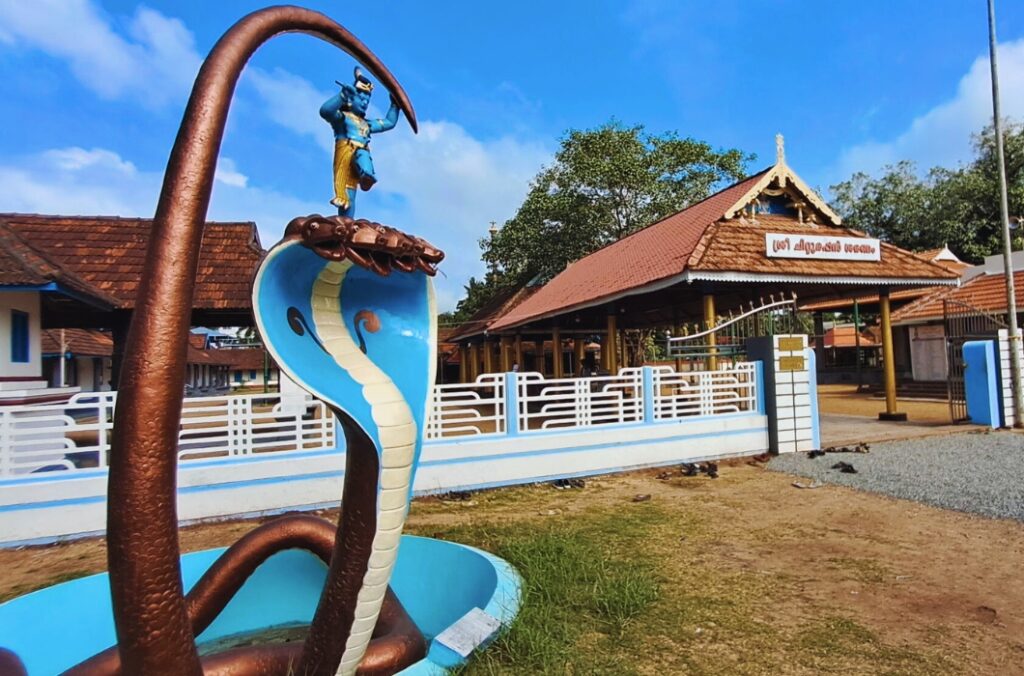
Chittoor Sree Krishna Swamy Temple feels like one of those sacred corners where devotion has a soft, gentle heartbeat. Dedicated to Lord Krishna, the temple carries a warm, welcoming vibe that instantly settles your mind the moment you think about it. The shrine usually features Krishna in a graceful standing posture, adorned with bright flowers and traditional decorations that make the whole sanctum glow with color. Even though the temple isn’t massively grand, it has this lovely charm—quiet courtyards, simple architecture, and that sweet, devotional atmosphere you usually find in places where people have prayed for generations. Devotees come here to offer prayers for harmony, prosperity, and emotional well-being, and many say they feel a kind of inner calm in the presence of Krishna’s idol. The rituals, bhajans, and festival celebrations, especially during Krishna Janmashtami, fill the temple with energy and joy, making it a serene yet spiritually vibrant spot in Chittoor.

rswfegtrhy
Temples

Koneti Rayala Swamy

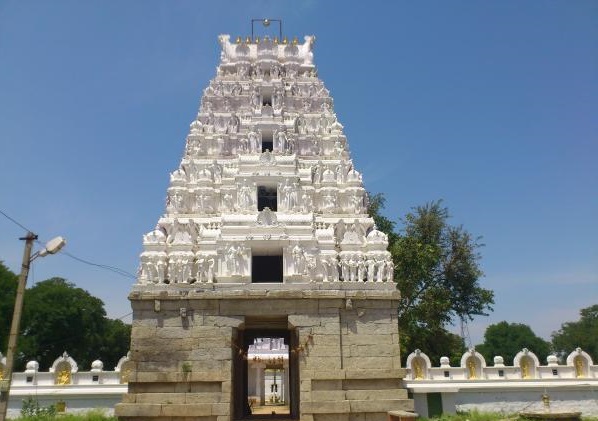
Koneti Rayala Swamy Temple in Chittoor District has this peaceful, almost storybook kind of atmosphere that instantly pulls you in. The temple is dedicated to Lord Venkateswara, affectionately known here as Koneti Rayudu, and it sits near a natural pond (koneti), which adds a calm, reflective charm to the whole place. Local lore says that the deity here represents Lord Venkateswara waiting for his consort Padmavati after hunting, which is why the idol has a beautiful, relaxed, standing posture. The surroundings are quiet, green, and slightly rustic, making the temple feel like a hidden spiritual corner rather than a busy pilgrimage spot. People visit to seek blessings, peace of mind, and that gentle sense of reassurance that temples in serene locations often bring. The traditions, simple architecture, and age-old devotion around this shrine make it a lovely blend of history, faith, and rural tranquility.

7xm691d180ecfa73
Temples

Kanipakam

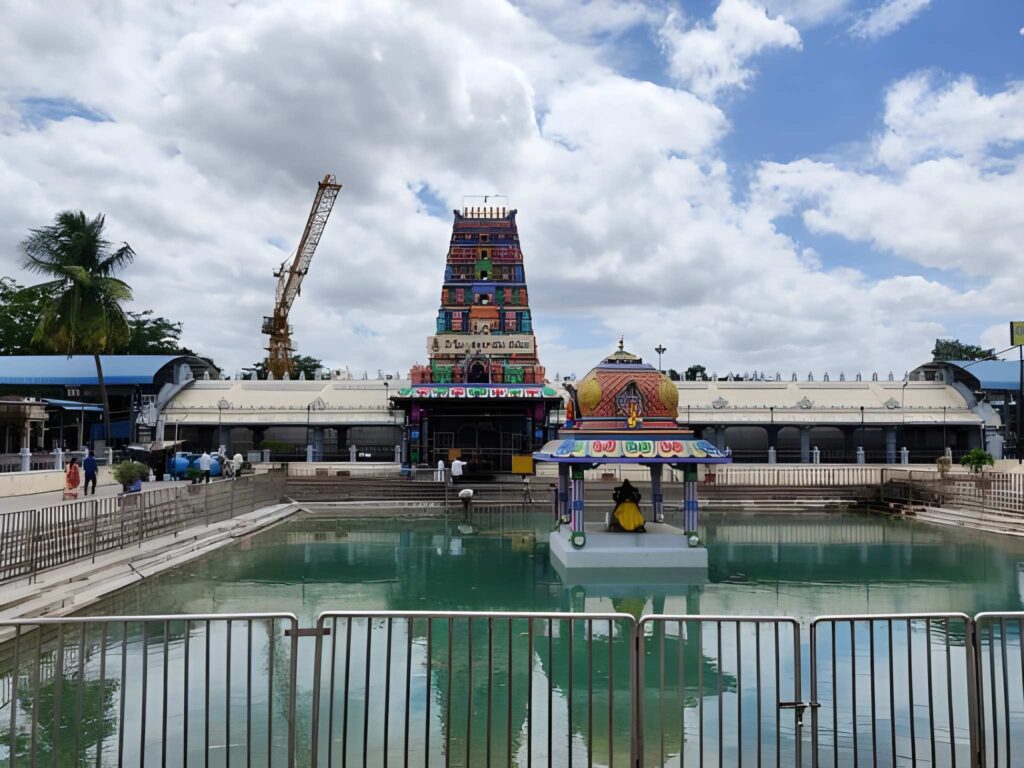
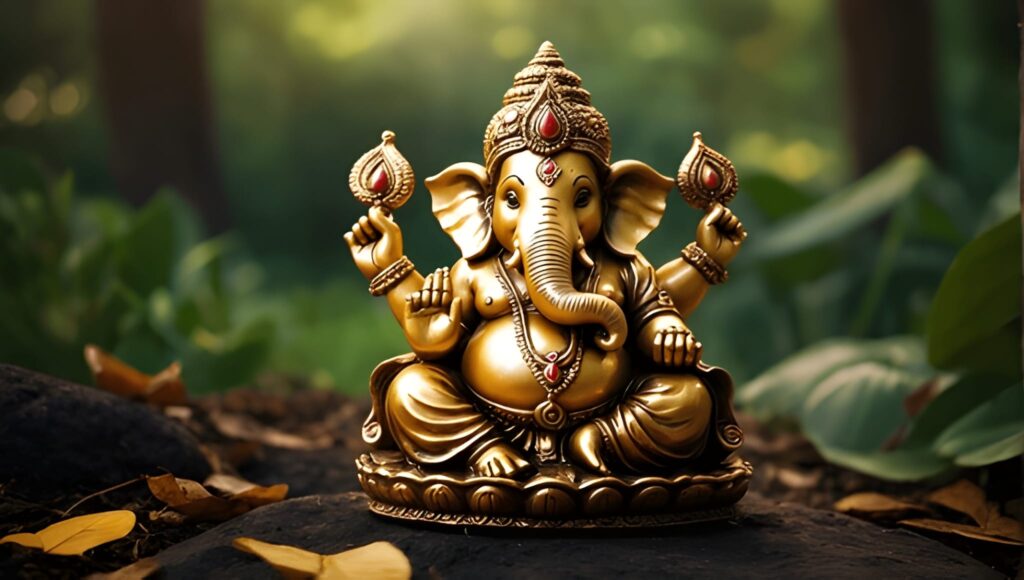
Kanipakam Vinayaka Temple has this really calming, divine charm that makes it stand out among the famous temples of Andhra Pradesh. It’s dedicated to Lord Ganesha, and what makes it truly unique is the self-manifested (swayambhu) idol that actually appears to be growing in size over the years—something devotees talk about with so much wonder. The temple sits right in the middle of a water-filled tank, and according to legend, the idol emerged from the ground when three brothers tried to dig a well, which gives the place a magical, sacred feel. The atmosphere is always lively with chanting, bells, and a steady flow of people who come seeking blessings for new beginnings, removing obstacles, and finding peace. The architecture is simple but elegant, and the whole setting has this serene countryside vibe that makes every visit feel soothing and memorable.

7xm691d191b9a049
Temples

Sri Kalahasthi

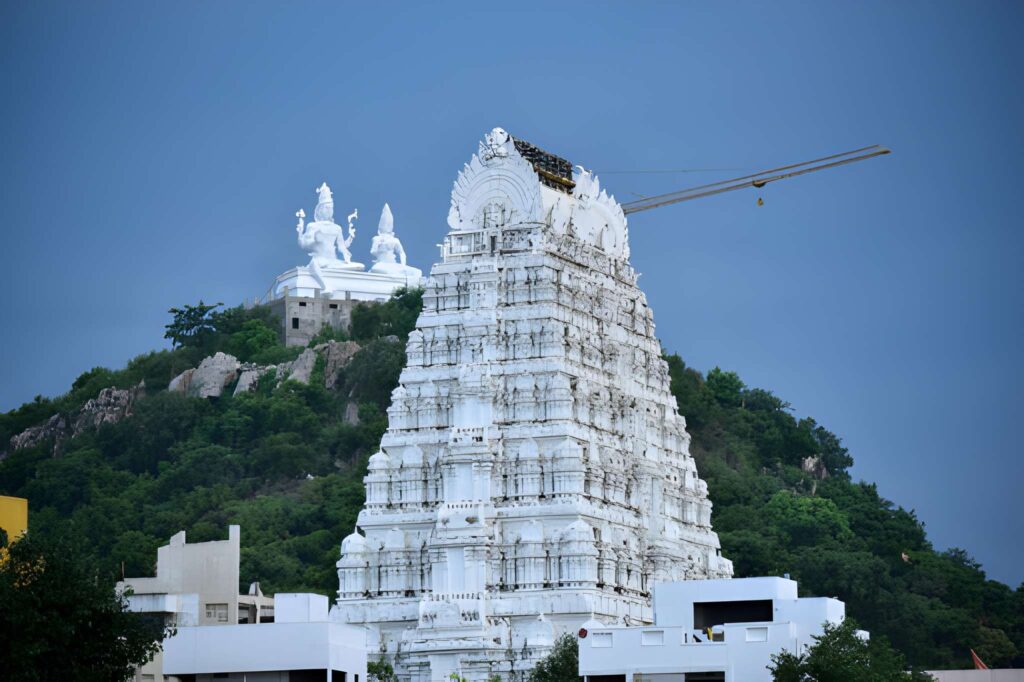
Sri Kalahasthi Temple is one of those places that just feels timeless the moment you think about it. It sits near the banks of the Swarnamukhi River in Andhra Pradesh, and it’s famously known as the “Kashi of the South.” The temple is dedicated to Lord Shiva, worshipped here as Sri Kalahasteeswara, and what makes it even more special is that it represents the Vayu Lingam, one of the Panchabhoota Sthalams symbolizing the element of air. The legend behind it is really beautiful—Kala (the serpent), Hasti (the elephant), and Sri (the spider) are believed to have worshipped Shiva here, which is how the place got its name. The architecture is classic Dravidian style, full of long corridors, detailed carvings, and a powerful spiritual vibe that a lot of visitors say they can literally feel. It’s also deeply famous for the Rahu–Ketu pooja, which attracts thousands of devotees every day. Overall, the temple blends mythology, devotion, and ancient craftsmanship in a way that makes it feel both grand and personal at the same time.

7xm6906b4196b3ee
Festivals

Ganesh Chaturthi

Ganesh Chaturthi, also known as Vinayaka Chaturthi, is a popular Hindu festival that celebrates the birth of Lord Ganesha, the elephant-headed god of wisdom, prosperity, and good fortune. It usually falls in the Hindu month of Bhadrapada (August or September) and lasts for 10 days, beginning with the installation of beautifully crafted clay idols of Lord Ganesha in homes and public pandals (temporary structures). Devotees offer prayers, sweets (especially modaks, Ganesha’s favorite), flowers, and chants to seek his blessings. The festival is marked by music, dance, and cultural events, creating a vibrant and joyful atmosphere. On the final day, known as Anant Chaturdashi, the idols are immersed in water bodies during a grand procession, symbolizing Ganesha’s return to Mount Kailash and the cycle of creation and dissolution. Ganesh Chaturthi not only brings communities together but also promotes eco-friendly practices and devotion to spiritual values.

7xm6906b78ba8673
Festivals

Sankranthi

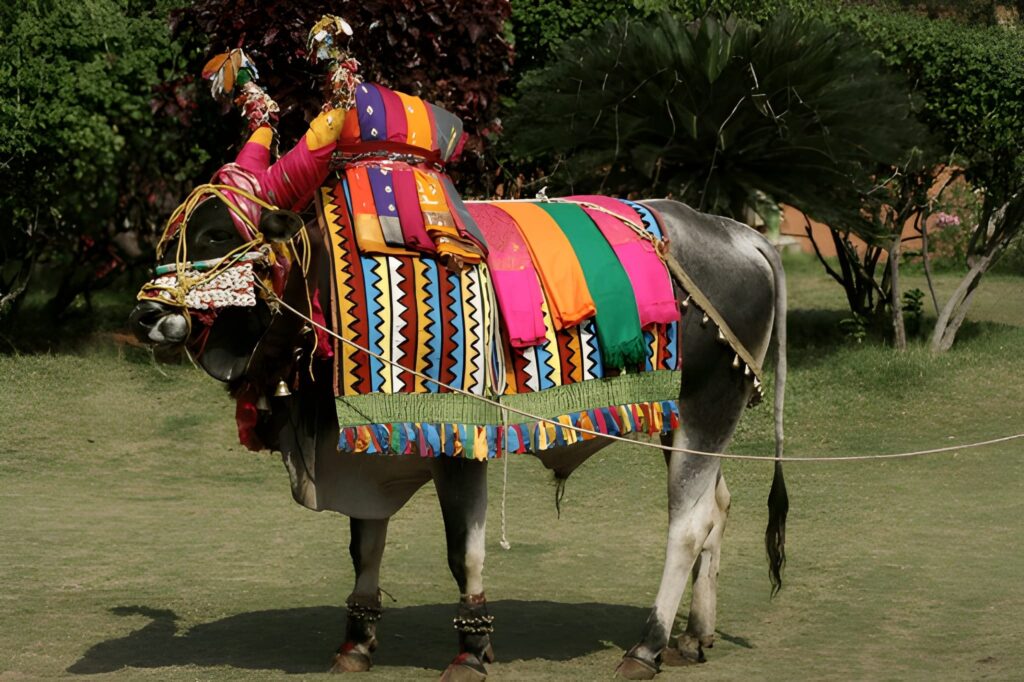
Sankranthi, also known as Makar Sankranti, is a major Hindu festival celebrated across India to mark the transition of the Sun into the zodiac sign of Capricorn (Makara). It usually falls on January 14th every year and signifies the end of the winter solstice and the beginning of longer, warmer days. The festival celebrates the harvest season, when farmers express gratitude for a successful yield and pray for prosperity. Different regions of India observe Sankranthi with unique traditions — in Andhra Pradesh and Telangana, it is celebrated with bonfires, colorful rangoli (muggu), and special dishes like pongal; in Punjab, it is known as Lohri; in Gujarat, as Uttarayan with kite flying; and in Tamil Nadu, as Pongal. People dress in new clothes, share sweets made of jaggery and sesame, and participate in community gatherings. Sankranthi symbolizes joy, renewal, and harmony with nature, bringing families and communities together in gratitude and celebration.

7xm6906b6cf68e91
Festivals

Ugadi

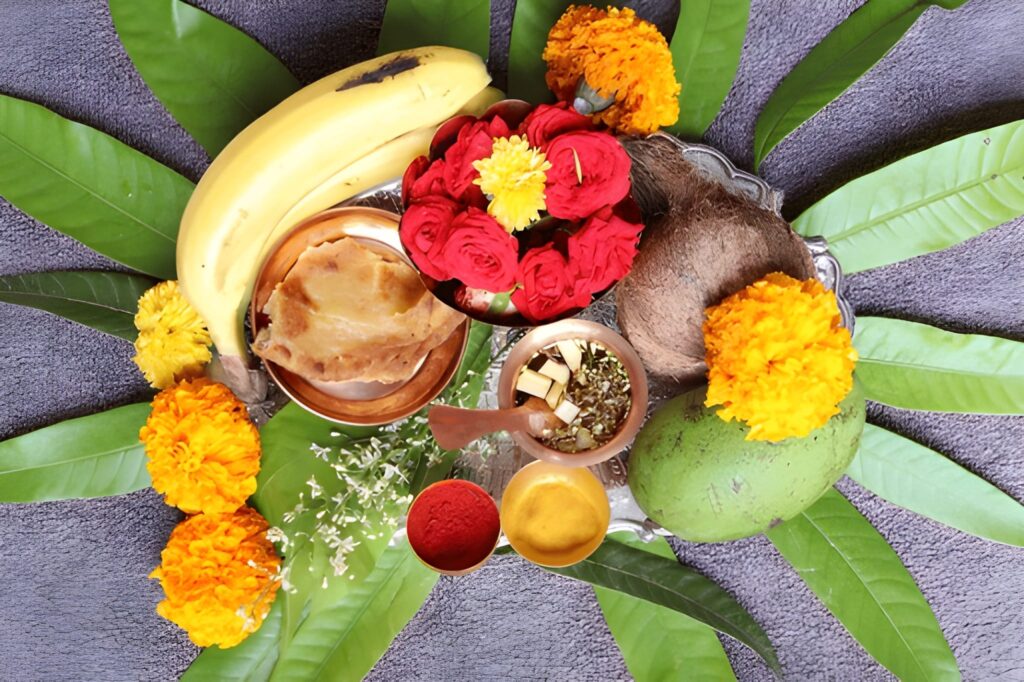
Ugadi, also known as Yugadi, is the traditional New Year festival celebrated in the southern states of India, particularly Andhra Pradesh, Telangana, Karnataka, and parts of Maharashtra. The word Ugadi comes from the Sanskrit words “yuga” (age) and “adi” (beginning), meaning the start of a new era. It usually falls in March or April, marking the first day of the Hindu lunisolar calendar and the arrival of spring. The festival is a time for new beginnings, symbolizing hope, growth, and prosperity. People clean and decorate their homes, draw colorful rangoli designs, and wear new clothes. A special dish called Ugadi Pachadi is prepared, made from six ingredients—tamarind, jaggery, neem flowers, salt, green chili, and raw mango—each representing different emotions of life such as happiness, sadness, anger, and surprise, reminding people to embrace all experiences with balance. Ugadi is also a time for family gatherings, cultural performances, and prayers for a prosperous year ahead.

7xm6906b609020e4
Festivals

Diwali

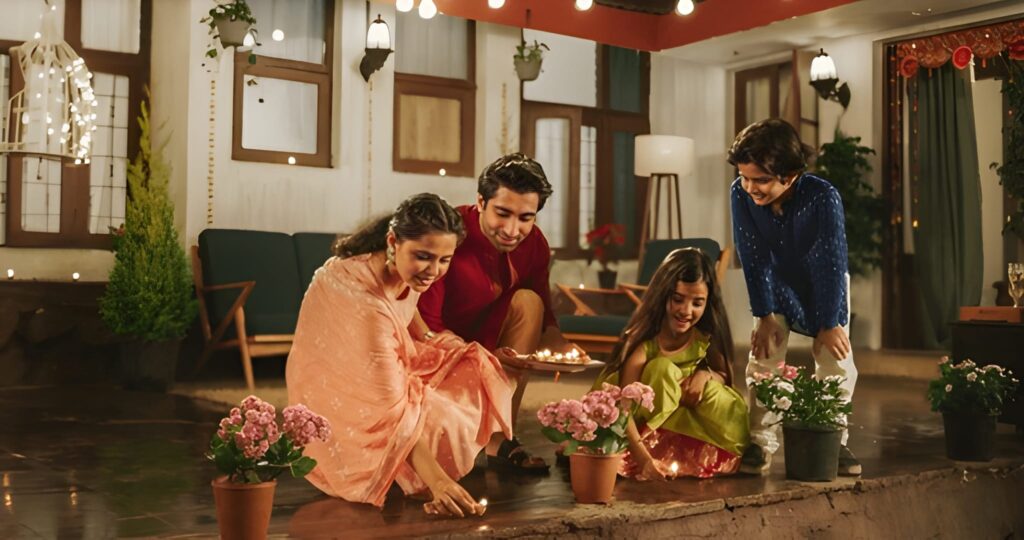
Diwali, also known as the Festival of Lights, is one of the most important and widely celebrated festivals in India. It symbolizes the victory of light over darkness, good over evil, and knowledge over ignorance. The festival is celebrated by Hindus, Sikhs, Jains, and some Buddhists, each with their own beliefs and traditions. For Hindus, it marks the return of Lord Rama to Ayodhya after defeating the demon king Ravana, and people light diyas (oil lamps) to welcome him. Homes and streets are decorated with lights, rangoli designs, and flowers, while families exchange sweets and gifts to spread joy. Fireworks illuminate the night sky, adding to the festive spirit. Diwali also holds economic significance, as it marks the start of a new financial year for many businesses. It is a time for cleansing, renewal, and togetherness, reminding everyone to embrace positivity, gratitude, and hope.

7xm6906bb5ff3733
Festivals

Dussehra

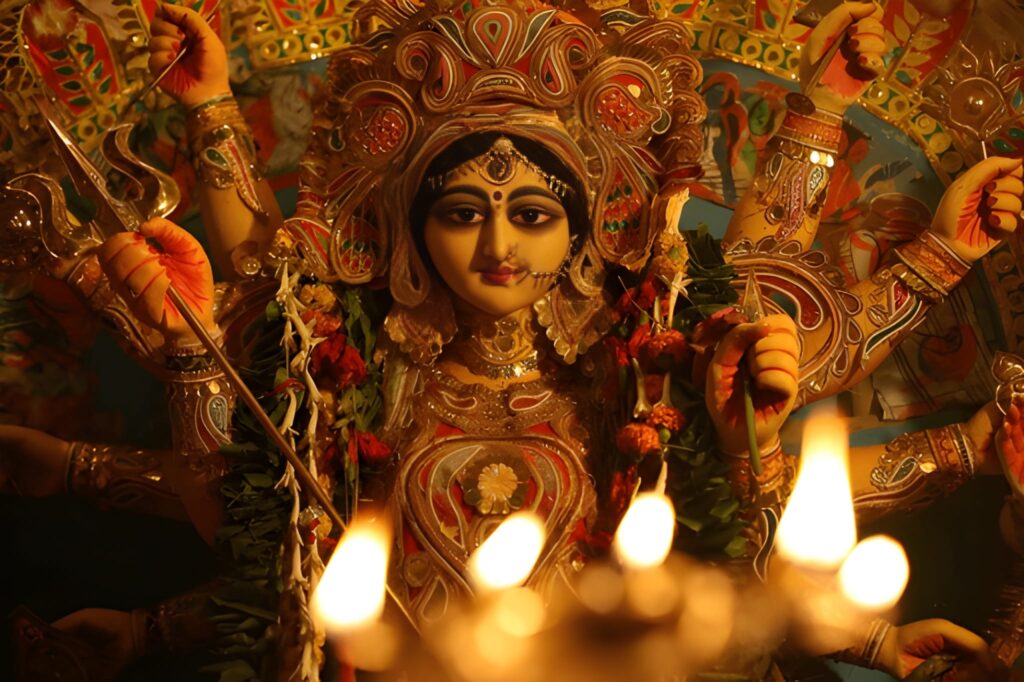
Dussehra, also known as Vijayadashami, is a major Hindu festival that celebrates the victory of good over evil. It usually falls in September or October, marking the culmination of the nine-day Navratri festival. The day commemorates Lord Rama’s triumph over the demon king Ravana, symbolizing the victory of righteousness, truth, and virtue. In many parts of India, large effigies of Ravana, Meghnath, and Kumbhkaran are burned in public grounds, accompanied by fireworks, music, and festivities. In eastern India, especially in West Bengal, it marks the end of Durga Puja, when idols of Goddess Durga are immersed in rivers and lakes, symbolizing her return to Mount Kailash. People also celebrate by performing traditional dances, dramas, and processions depicting scenes from the Ramayana. Dussehra inspires people to overcome negativity and evil within themselves, embracing the spirit of courage, truth, and moral strength.

c6237224 f341 4d1b 92e3 b42da122f2dd
Chittoor News

Kailasakona Waterfalls Sees Tourist Boost During Winter Season

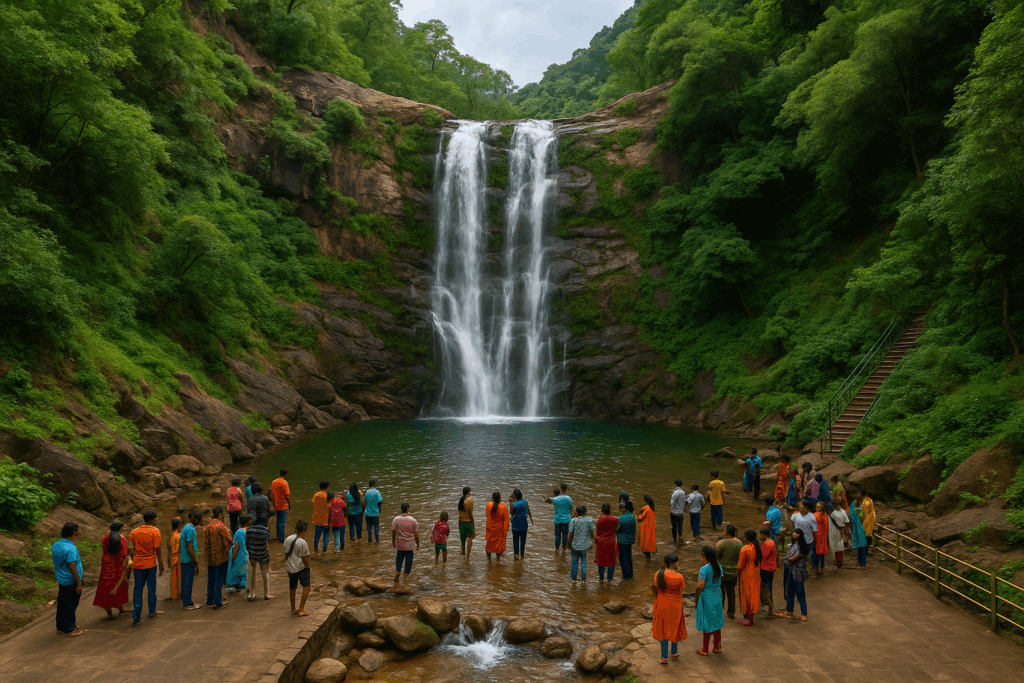
The picturesque Kailasakona Waterfalls near Nagari has become a major attraction this winter, with thousands of tourists flocking to the serene location to enjoy its cool breeze, lush greenery, and refreshing waters. As temperatures drop, the natural spring-fed waterfalls have become a preferred getaway for travelers from Chennai, Tirupati, Bengaluru, and nearby districts who are seeking a peaceful retreat from the bustle of city life. The scenic trekking routes surrounding the falls, along with their spiritual significance, have further contributed to the rise in footfall. Tourism officials have noted a remarkable surge in weekend visitors, prompting the department to deploy additional staff for crowd control, safety monitoring, and maintaining cleanliness across the premises. Temporary barricades, signboards, and resting areas have also been set up to guide tourists along the trekking paths and ensure a safer experience for families and children. Local vendors and small businesses around Kailasakona are benefiting from the increased traffic, with shops selling refreshments, handmade crafts, and local delicacies witnessing brisk sales. Many nearby villages have also begun offering homestay options to accommodate tourist demand, giving visitors a closer look at rural life in the region. To further boost tourism, the department is planning to introduce eco-friendly cottages, guided nature walks, viewpoint platforms, and digital ticketing facilities in the coming months. These improvements aim to enhance comfort while preserving the natural environment of the area. Officials are also considering new waste management systems and water conservation measures to ensure sustainable tourism practices. Travelers have praised the destination for its pristine environment, clear waters, and well-maintained surroundings, making Kailasakona one of Chittoor’s most sought-after winter attractions. With upcoming developments and continued government support, the waterfall is poised to become a major eco-tourism hotspot in the region.


Listings
Jobs
Home
News
Contact
Scroll to Top