
Chittoor

Festivals

7xm6906b4196b3ee
Festivals

Ganesh Chaturthi

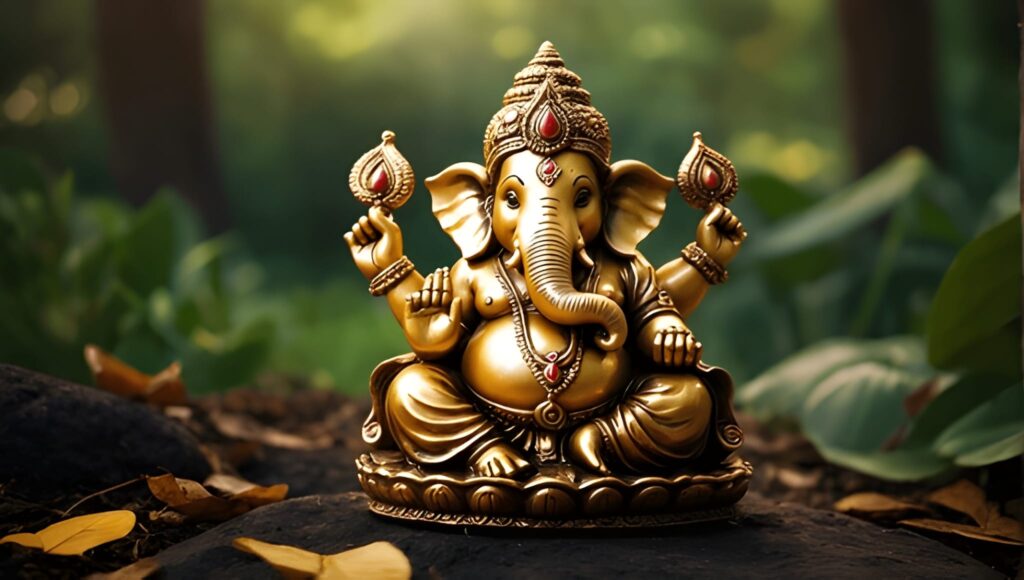
Ganesh Chaturthi, also known as Vinayaka Chaturthi, is a popular Hindu festival that celebrates the birth of Lord Ganesha, the elephant-headed god of wisdom, prosperity, and good fortune. It usually falls in the Hindu month of Bhadrapada (August or September) and lasts for 10 days, beginning with the installation of beautifully crafted clay idols of Lord Ganesha in homes and public pandals (temporary structures). Devotees offer prayers, sweets (especially modaks, Ganesha’s favorite), flowers, and chants to seek his blessings. The festival is marked by music, dance, and cultural events, creating a vibrant and joyful atmosphere. On the final day, known as Anant Chaturdashi, the idols are immersed in water bodies during a grand procession, symbolizing Ganesha’s return to Mount Kailash and the cycle of creation and dissolution. Ganesh Chaturthi not only brings communities together but also promotes eco-friendly practices and devotion to spiritual values.
7xm6906b78ba8673
Festivals

Sankranthi

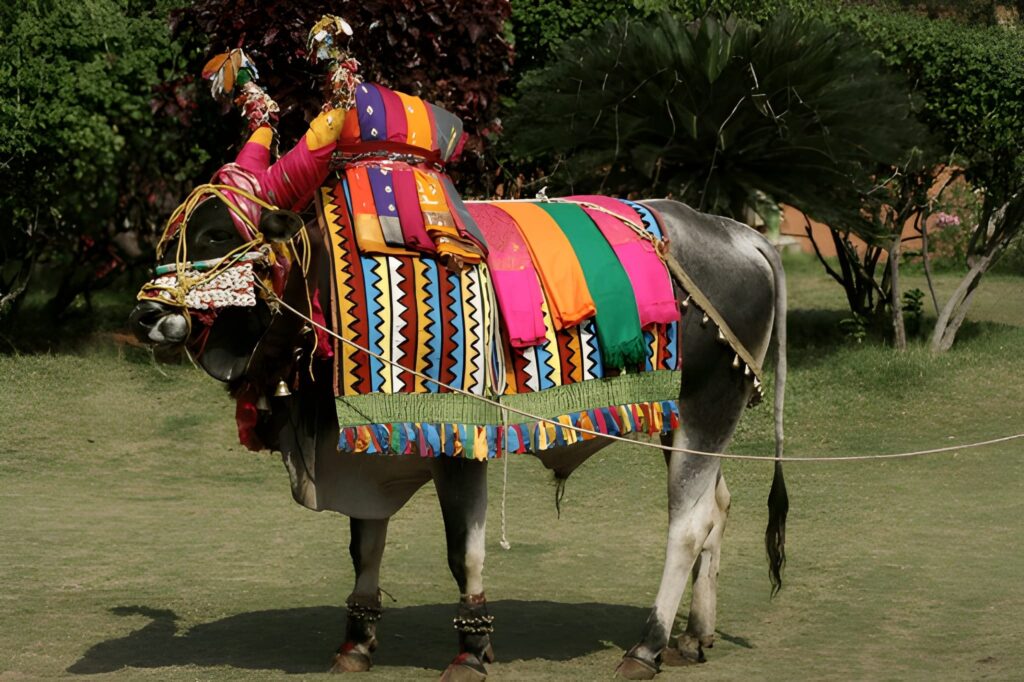
Sankranthi, also known as Makar Sankranti, is a major Hindu festival celebrated across India to mark the transition of the Sun into the zodiac sign of Capricorn (Makara). It usually falls on January 14th every year and signifies the end of the winter solstice and the beginning of longer, warmer days. The festival celebrates the harvest season, when farmers express gratitude for a successful yield and pray for prosperity. Different regions of India observe Sankranthi with unique traditions — in Andhra Pradesh and Telangana, it is celebrated with bonfires, colorful rangoli (muggu), and special dishes like pongal; in Punjab, it is known as Lohri; in Gujarat, as Uttarayan with kite flying; and in Tamil Nadu, as Pongal. People dress in new clothes, share sweets made of jaggery and sesame, and participate in community gatherings. Sankranthi symbolizes joy, renewal, and harmony with nature, bringing families and communities together in gratitude and celebration.

7xm6906b6cf68e91
Festivals

Ugadi

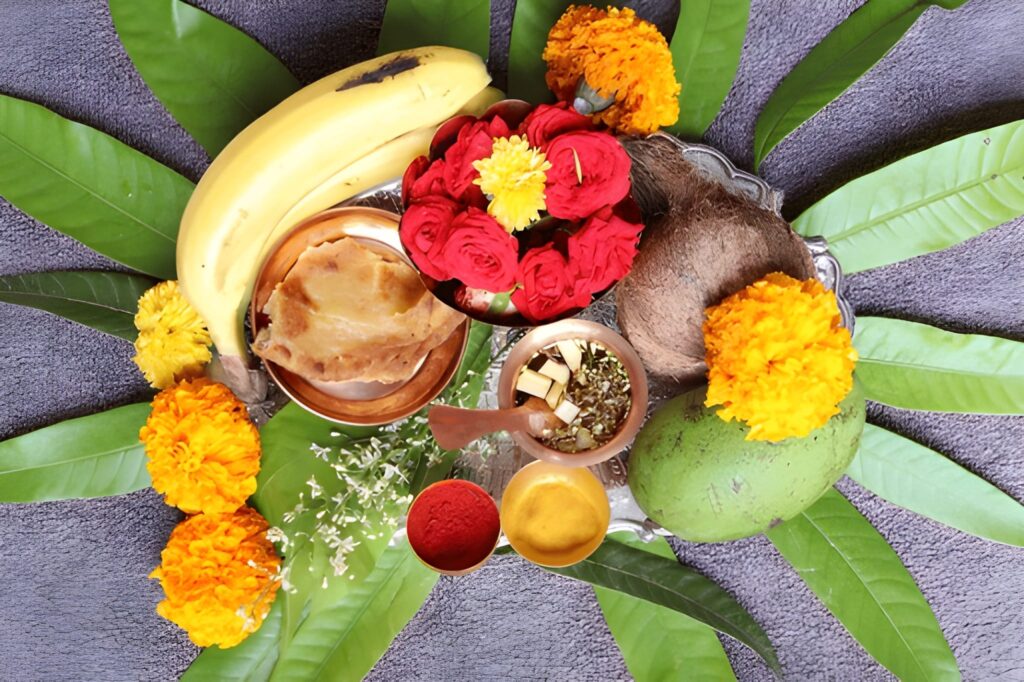
Ugadi, also known as Yugadi, is the traditional New Year festival celebrated in the southern states of India, particularly Andhra Pradesh, Telangana, Karnataka, and parts of Maharashtra. The word Ugadi comes from the Sanskrit words “yuga” (age) and “adi” (beginning), meaning the start of a new era. It usually falls in March or April, marking the first day of the Hindu lunisolar calendar and the arrival of spring. The festival is a time for new beginnings, symbolizing hope, growth, and prosperity. People clean and decorate their homes, draw colorful rangoli designs, and wear new clothes. A special dish called Ugadi Pachadi is prepared, made from six ingredients—tamarind, jaggery, neem flowers, salt, green chili, and raw mango—each representing different emotions of life such as happiness, sadness, anger, and surprise, reminding people to embrace all experiences with balance. Ugadi is also a time for family gatherings, cultural performances, and prayers for a prosperous year ahead.

7xm6906b609020e4
Festivals

Diwali

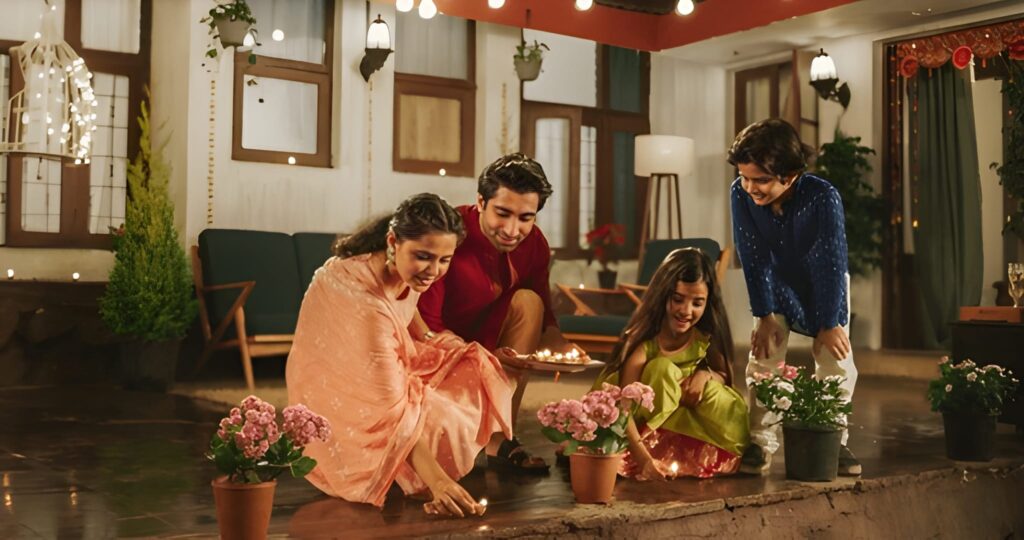
Diwali, also known as the Festival of Lights, is one of the most important and widely celebrated festivals in India. It symbolizes the victory of light over darkness, good over evil, and knowledge over ignorance. The festival is celebrated by Hindus, Sikhs, Jains, and some Buddhists, each with their own beliefs and traditions. For Hindus, it marks the return of Lord Rama to Ayodhya after defeating the demon king Ravana, and people light diyas (oil lamps) to welcome him. Homes and streets are decorated with lights, rangoli designs, and flowers, while families exchange sweets and gifts to spread joy. Fireworks illuminate the night sky, adding to the festive spirit. Diwali also holds economic significance, as it marks the start of a new financial year for many businesses. It is a time for cleansing, renewal, and togetherness, reminding everyone to embrace positivity, gratitude, and hope.

7xm6906bb5ff3733
Festivals

Dussehra

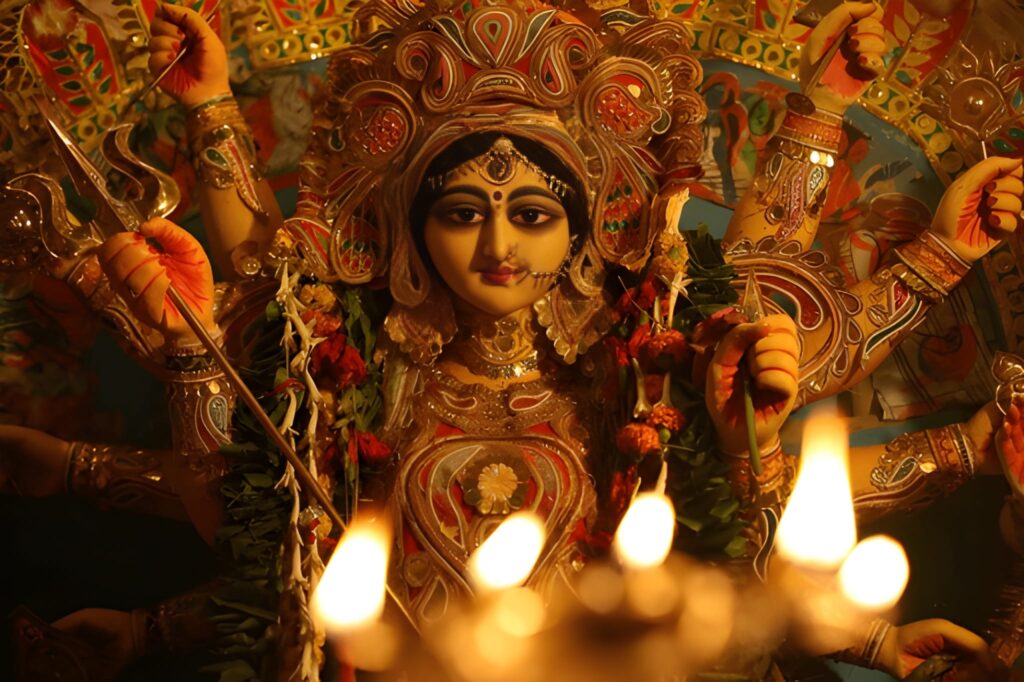
Dussehra, also known as Vijayadashami, is a major Hindu festival that celebrates the victory of good over evil. It usually falls in September or October, marking the culmination of the nine-day Navratri festival. The day commemorates Lord Rama’s triumph over the demon king Ravana, symbolizing the victory of righteousness, truth, and virtue. In many parts of India, large effigies of Ravana, Meghnath, and Kumbhkaran are burned in public grounds, accompanied by fireworks, music, and festivities. In eastern India, especially in West Bengal, it marks the end of Durga Puja, when idols of Goddess Durga are immersed in rivers and lakes, symbolizing her return to Mount Kailash. People also celebrate by performing traditional dances, dramas, and processions depicting scenes from the Ramayana. Dussehra inspires people to overcome negativity and evil within themselves, embracing the spirit of courage, truth, and moral strength.

Listings
Jobs
Home
News
Contact
Scroll to Top