
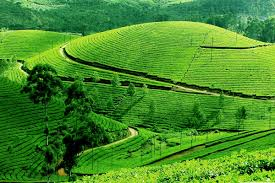
Tea gardens in Palampur, Himachal Pradesh, face severe threats from rapid urbanization, illegal land sales converting plantations into residential areas, and declining productivity, jeopardizing the historic Kangra tea industry. Key issues include high labor costs, climate-induced production drops, and poor marketing, with a future focus on promoting tea tourism and rejuvenating abandoned lands.
Key Highlights & Threats
- Rapid Urbanization & Land Conversion: Large-scale sales and conversion of tea gardens into housing colonies or for infrastructure projects are destroying the green cover, particularly around Palampur.
- Declining Productivity & Labour: The tea industry suffers from aging plants, reduced yields, high labour costs, and shortage of skilled workers.
- Illegal Sales: The, often illegal, sale of tea gardens in the Kangra valley, sometimes in connivance with officials, has become a major crisis, bypassing land ceiling laws.
- Environmental Impact: Injudicious use of chemicals and pesticides has degraded the soil and water quality in the region
Impact on Region
- Loss of Identity: Palampur, known as the ‘Tea Capital’ of Northern India, risks losing its iconic green landscape and reputation.
- Economic Setback: The decline in production and small, fragmented holdings (96% are less than one acre) have led to decreased income for tea growers.
- Environmental Degradation: Loss of tea cover threatens the fragile ecological balance of the Palampur-Baijnath-Jogindernagar
Future Scope & Revival Efforts
- Tea Tourism: The Himachal government is actively planning to promote tea tourism, studying models from other regions to boost revenue and preserve gardens.