
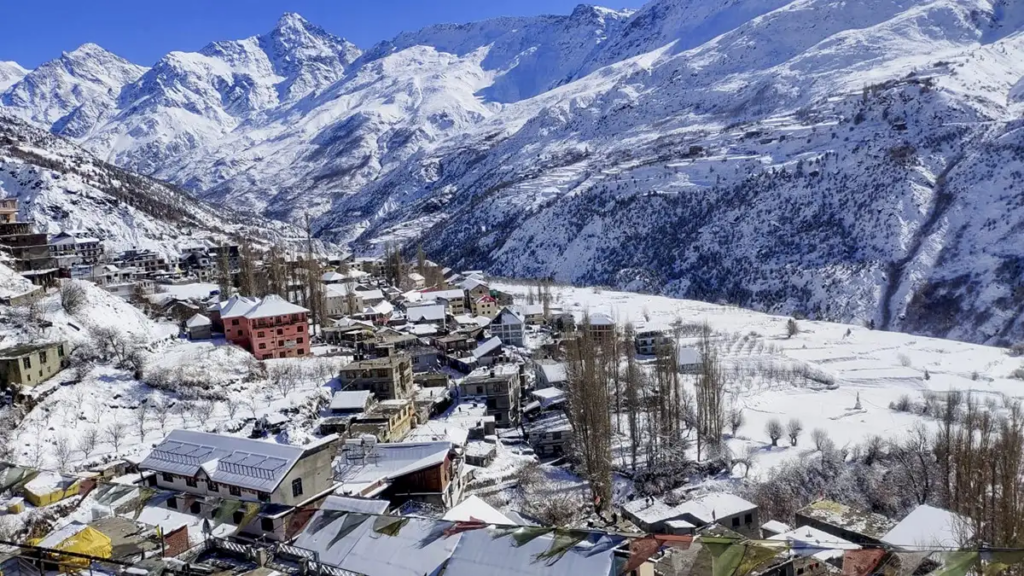
Key Highlights: Winter 2026 in Palampur
- Historic Snowfall: On January 24, 2026, Palampur received its first significant snowfall in approximately 10–13 years, turning the Kangra valley into a white landscape.
- Severe Disruptions: The heavy snow (approx. 20 cm in Billing, deeper in higher areas) led to the shutting down of popular tourist spots, including Billing, Multhan, and Kothi Kohar, cutting off the Chhota Bhangal and Bara Bhangal regions.
- Power and Connectivity: The snowfall led to the uprooting of trees and severe disruption of power, with over 400 distribution transformers affected across the state and hundreds of roads blocked.
- Shift from Drought to Dump: Before the late January, 2026, snow, Himachal witnessed a near-total absence of precipitation, leading to a 100% rainfall deficit in December 2025, which had put early winter crops and the tea industry at risk.
- Temporary Tourism Boom: Despite road closures, the unexpected snow brought a massive surge in tourists to the Dhauladhar foothills.
Impact on Palampur (2026)
- Infrastructure & Utilities: Numerous villages in the Chhota Bhangal area experienced 3-day power and water outages due to heavy snowfall.
- Agriculture & Tea Industry: While late snowfall helps, the long-term dry spell has been damaging. The Himachal tea output dropped significantly in 2025 due to in-adequate winter rains, affecting the spring flush.
- Travel and Safety: The administration issued strict warnings to avoid high-altitude areas like Billing, with paragliding activities halted due to safety concerns.
Future Scope and Outlook
- Winter Tourism Transformation: The 2026, snowfall has revitalized interest in Palampur as a winter destination, moving it beyond just a summer retreat. Future tourism initiatives focus on “snow tourism” in the Kangra Valley.
- Sustainable Development: The state government is heavily investing in the region, declaring Kangra District the “Tourism Capital” and planning projects like an ice-skating rink in Dharamshala, which will boost regional tourism infrastructure.
- Climate Resilience: The reliance of the local economy on fluctuating winter precipitation is driving a need for climate-resilient agriculture and improved water management, as changing weather patterns threaten the long-term sustainability of tea farming.